As we have learned while reading Chapter 6, there is a distinct difference in a refugee and an internally displaced person. A refugee is a person that has been displaced from their home. They cannot return because of reasons of political opinion, race, religion or nationality. An internally displaced person is someone who has been forced to leave their home but remains within the borders of their own country. So basically the primary differences between the two is the a refugee leaves his or her country while an internally displaced person does not.
Refugees
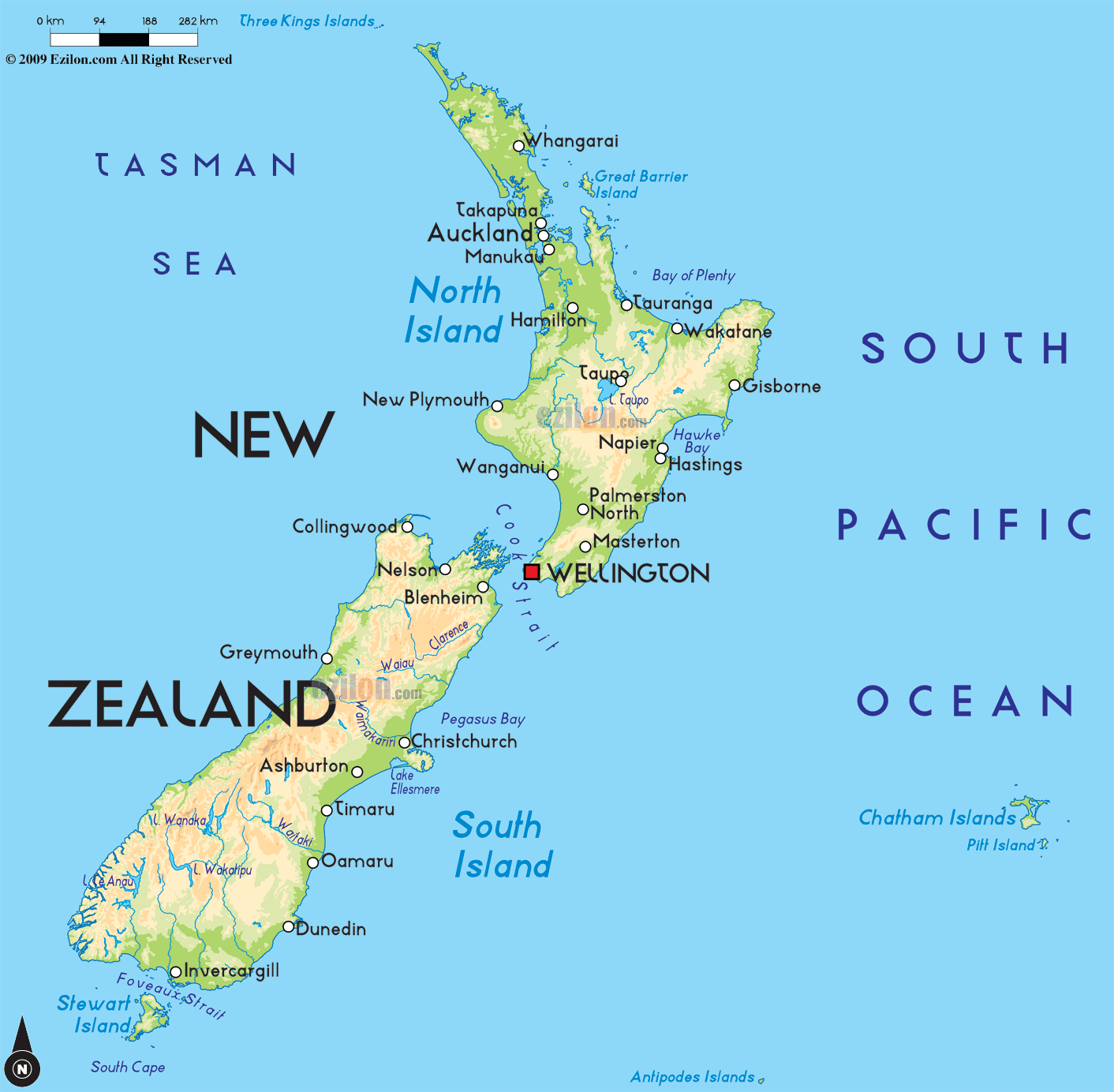
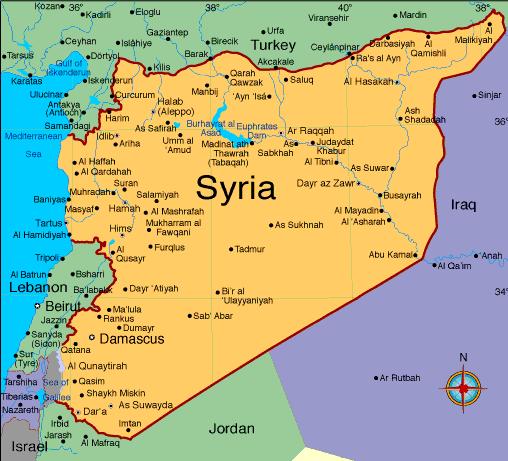
Knowing that there are over 44 million people worldwide that are considered a refugee, I knew that locating a specific area that has quite a few refugees wouldn't be very difficult. One particular subject that caught my attention while searching for information regarding refugees was the fact that there are many people from Syria in need of placement due to the civil war that is currently happening there. There are places all over the world that are helping the people of Syria get the protection that they need. One place in particular that I chose to research is New Zealand. As of February 4, 2014, there are 100 Syrian refugees that are to be relocated to New Zealand. They will not get there until the second half of 2014. That seems like such a long time for a person in a dangerous situation to wait for protection. However, there is quite a process that a refugee must got through before being admitted into another country. Another factor to consider when a country is assisting refugee is the cost. For these 100 Syrian refugees, New Zealand will be 12.5 million NZ dollars. ($10.11 million US dollars) Most of these people that are being placed in New Zealand are women and children. From what I have researched, that is the most common type of person that is a refugee.
In this specific situation with these refugees from Syria to New Zealand, it is considered to be a cultural push factor. These Syrians are relocating due to war. According to the United Nations, over a million Syrians have fled Syria since the war began two years ago. One of the reasons these refugees are relocating is to escape the violence that is currently happening in Syria. Another reason is because some of their homes are being taken over. When refugees are culturally pushed into another country, such as New Zealand, it has an economic chain reaction of problems. As much as we'd like to believe that these women and children are now safe and can stop worrying, it is just not that simple. Many of these refugees will have social, financial and economic struggles for the rest of their lives. Refugees often struggle with the language of the country they flee to. They are forced to learn a new set of laws and legals systems. Therefore, many of them live with government assistance for many years; costing tax payers large amounts of money.
Refugees often change the population characteristics of certain places due to the fact that they are relocated to a common area, geographically speaking. Therefore, they bring their culture and influence into the country they are now building a new life in. I find this to be a positive characteristic. Obviously with people adding to the population of a location, the birth rates will rise. As far as infant mortality rates, nothing in my research indicates that refugees contribute to the percentages of infant mortality rates. I would speculate that this would be due to the fact that refugees, regardless of what country they are from, have access to the health care of the country they have repopulated to. In this specific case, New Zealand. http://www.globaltimes.cn/content/840749.shtml#.UxaYXVzbJBU
Internally Displaced Persons
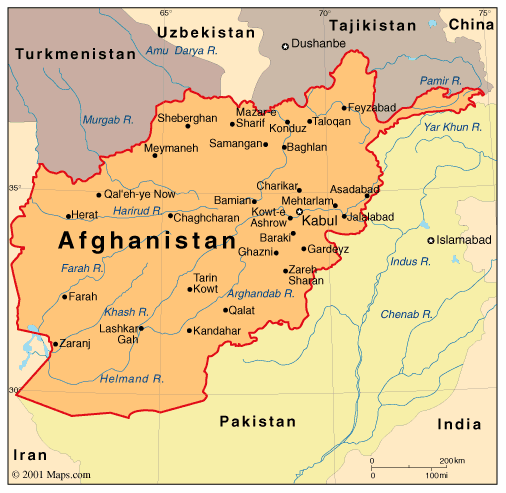
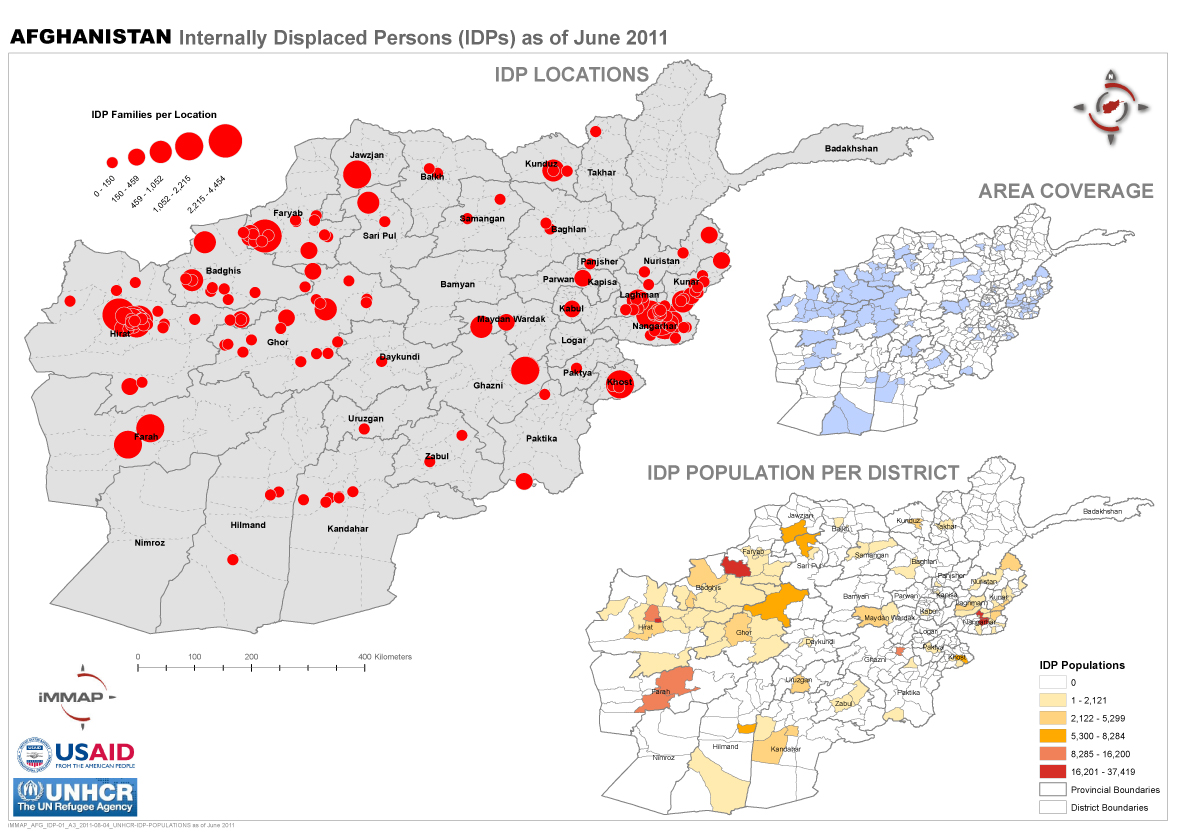
There are many locations on our planet with a high number of internally displaced persons (IDPs). One place in particular that has a large number of IDPs is Afghanistan. It is often mentioned that people who are refugees or internally displaced persons are women and children. While this is true, its also important to remember that there are lots of men that relocate for dire circumstances as well. While studying about IDPs in Afghanistan, I learned that there are quite a few men that have relocated. As we recall from above, an IDP is someone who has relocated within their own country.
A lot of the people who have relocated in Afghanistan have done so due to bombardments. Bombardments are when attacks occur from missiles, guns, grenades, bombs and other types of violent attack methods in a continuous manner. Therefore, many people of Afghanistan have moved away from their homes in seek of shelter but within their own country boundaries. Not only are bombardments life threatening, if you survive an attack there is a good possibility that your home is now destroyed. The problem with these IDPs in Afghanistan is that once they have fled to other locations of the country, they usually do not have the means to support themselves. They cannot afford rent, let alone buying a home. Often times, when people flee their surroundings they relocate temporarily to camps and stay in tents. There aren't even enough camps and tents set up to help. In many instances, they simply just live outside wherever they can find a place to 'camp.' From what I have researched, the government of Afghanistan is not helping these people. There are charity groups and other organizations that try to help. But there is not enough help being provided to these IDPs to keep them off the streets.
IDPs change their country's population characteristics by requiring resources that often times aren't even available. They need the basics for survival; food, shelter. But of course, they needs jobs and education as well. This exhausts what little resources there are.
Below is a map which shows where IDPs in Afghanistan are located.
REFUGEES and IDPs
Refugees and IDPs have their differences as well as their similarities. The major difference is that refugees leave their country. In many circumstances, refugees go to a better location. Also, there are situations in which a refugee is accepted by a country or organization that has the means to provide for them what they need. Whereas, an IDP stays in their country and may or may not have essential resources available to them. The similarities between the two are basically the fact that both refugees and IDPs are relocating and leaving their homes behind. Whether or not a displaced person is leaving their country or staying within the borders of their homeland, it is a traumatic and confusing experience.
Reflection
 Prior to researching refugees, I didn't realize how willing many countries are to help those people seeking shelter and a new life. I am happy to see that there are many organizations that are dedicated to helping those that need to leave their country. It is very sad to see that there are so many people all over the world that have had no choice but to relocate to a strange place.
I learned from doing this assignment that internally displaced persons are in the middle of a confusing, traumatic experience regardless of the fact that they are not leaving their country. I think I had this assumption that being an IDP must not be as horrifying as being a refugee. I'm also happy that I chose to study about the IDPs in Afghanistan. It seems to me that places like Syria are now taking over in the news. I assume that this is simply due to the fact that we have been hearing so much about the turmoil in Afghanistan for so many years that the media is shifting focus. It is important that we do not forget about countries and locations that people are displaced and lack essential survival items.
